What to Expect During Your Very First Visit With an Orthodontist
Checking out an orthodontist for the very first time can be a critical moment in dental treatment. Individuals typically experience a structured process that includes evaluations, conversations, and therapy preparation. From submitting necessary forms to undergoing analysis imaging, each step is created to tailor care to specific requirements - Orthodontics. Comprehending this process can assist minimize any problems. What takes place following might shape the course of therapy and general dental health, making it necessary to know what to anticipate
What to Bring to Your Consultation
When participating in the very first visit with an orthodontist, it is vital to come prepared. Patients need to bring a checklist of any kind of drugs they are currently taking, including dosages, as this details is necessary for the orthodontist's analysis. Furthermore, it is recommended to have insurance details easily offered, together with any references from a general dental professional. New individuals ought to additionally bring a legitimate form of recognition, such as a chauffeur's permit or insurance card. Ultimately, documenting any kind of particular problems or concerns ahead of time can help assure a productive conversation throughout the visit, establishing the stage for a favorable orthodontic experience.
The First Greeting and Check-In Process
Upon getting to the orthodontic office, people usually sign in at the function workdesk. A team member welcomes them warmly, commonly asking for their name and verifying appointment information. Clients might be required to fill up out kinds regarding their clinical background and insurance info. This preliminary communication establishes an inviting tone, aiding to reduce any nerves. Once checked in, clients may be guided to a waiting area up until their visit begins - Braces In Cumming GA. During this time, the staff guarantees a comfortable atmosphere, commonly offering magazines or entertainment options to aid waste time before the orthodontic examination
The Orthodontic Exam
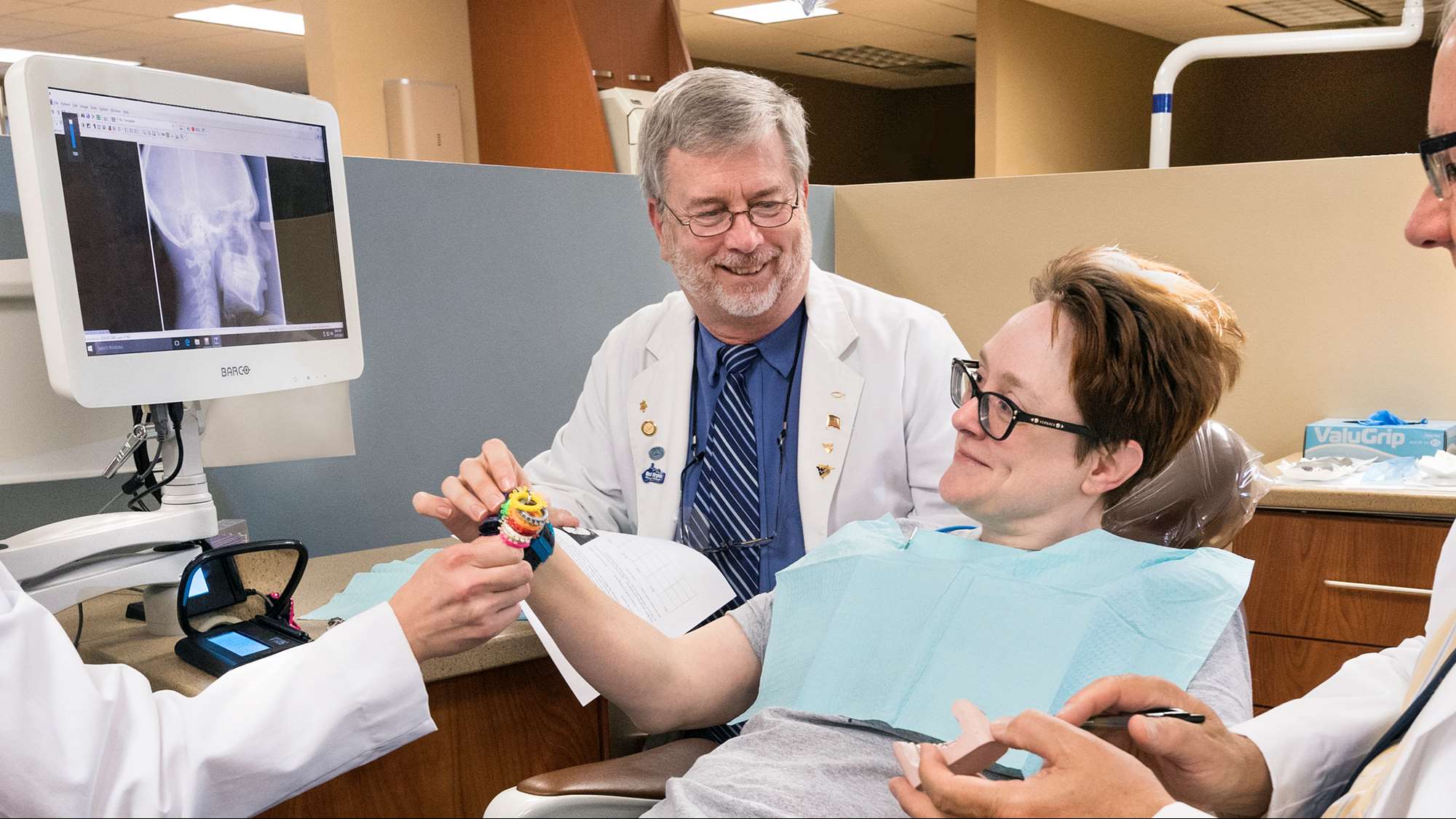
During the orthodontic examination, the expert carries out an initial analysis to assess the person's oral and face framework. This process often consists of taking X-rays and imaging to obtain a detailed view of the teeth and jaw placement. These important actions help the orthodontist create an effective therapy strategy tailored to the person's demands.
Preliminary Evaluation Process
As the individual goes into the orthodontist's office, the preliminary evaluation process begins with an in-depth exam designed to assess the alignment of teeth and the overall oral structure. The orthodontist thoroughly examines the teeth for crowding, spacing, and attack inconsistencies. Furthermore, they examine the jaw's placement and any kind of possible functional issues. The orthodontist may also inquire about the person's oral background, including previous treatments and existing problems. This extensive analysis assists in figuring out the most ideal therapy plan tailored to the person's certain demands. Establishing a clear understanding of the client's dental wellness is necessary for reliable orthodontic care.
X-rays and Imaging
Complying with the first assessment, X-rays and imaging play a vital function in the orthodontic assessment. These analysis devices enable the orthodontist to imagine the underlying frameworks of the teeth and jaws, aiding in the recognition of problems not noticeable during a health examination. Typical imaging strategies include cephalometric radiographs and breathtaking x-rays, which provide detailed views of oral and skeletal connections. This details helps the orthodontist establish a customized treatment plan. In addition, digital scans may be made use of to create 3D models of the individual's teeth, enhancing treatment accuracy and performance. Overall, these imaging techniques are crucial for effective orthodontic care.
Analysis Records and Imaging
Prior to formulating a treatment plan, orthodontists depend on detailed diagnostic records and imaging to examine a person's oral health and positioning. This process normally entails obtaining comprehensive photos of the teeth and face, along with dimensions of the oral arc and bite. Additionally, orthodontists may utilize digital scans or perceptions to produce precise depictions of the person's mouth. These analysis documents aid identify specific positioning issues and aid in preparing efficient therapy approaches. By carefully analyzing this information, orthodontists can ensure a tailored method that deals with private requirements and advertises ideal results for each and every patient.
Discussion of Therapy Choices
During the conversation of therapy options, the orthodontist provides various sorts of braces and clear aligners customized to the patient's demands. Aspects influencing therapy period, such as the severity of the instance and individual compliance, are also addressed. This useful dialogue aids set realistic assumptions for the orthodontic journey in advance.
Sorts of Braces
Braces can be found in different kinds, each created to address details orthodontic requirements and patient choices. Conventional steel braces are one of the most typical, utilizing stainless-steel brackets and cords for efficient tooth activity. Ceramic braces offer an extra discreet option, utilizing tooth-colored materials that mix with the teeth. Lingual braces are positioned on the back of the teeth, making them virtually unseen (Orthodontist). Self-ligating dental braces simplify the modification process, reducing the frequency of brows through. For those looking for comfort, clear plastic dental braces give a less noticeable option. Each kind of support has special benefits, permitting orthodontists to tailor therapy to private needs
Clear Aligners Explained
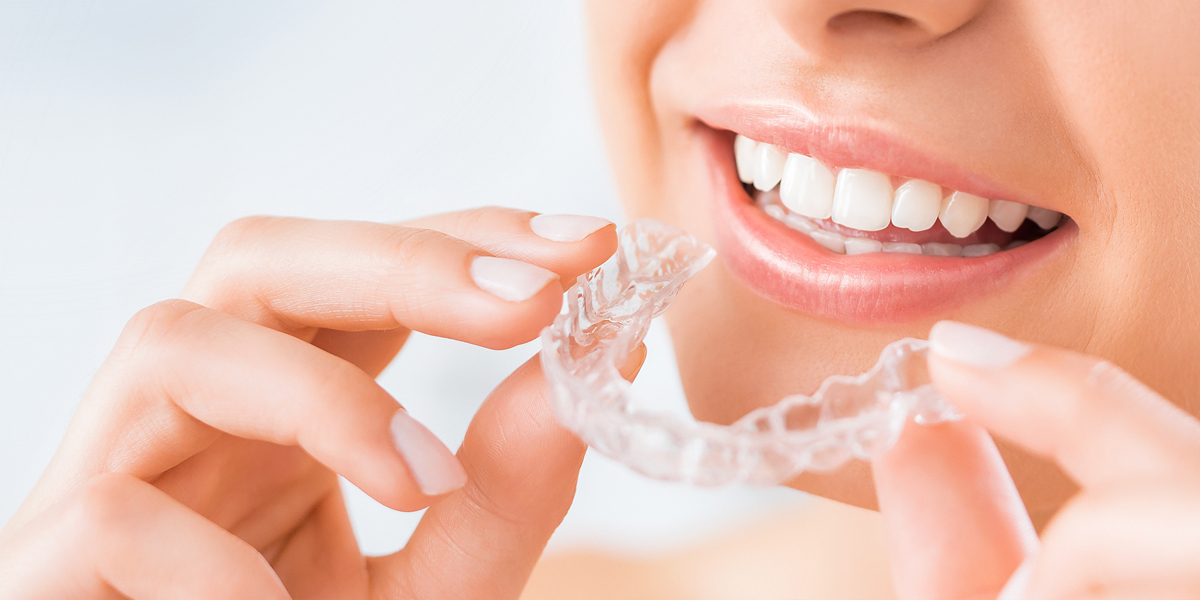
Clear aligners represent a modern-day choice to typical dental braces, interesting those who prioritize appearances and convenience in their orthodontic treatment. These tailor-made, clear trays slowly shift teeth right into the wanted placement, providing a very discreet option for both adults and teenagers. Individuals generally obtain a series of aligners, each worn for concerning two weeks before switching over to the next in the sequence. Clear aligners are removable, enabling much easier maintenance of oral health and flexibility during meals. Nevertheless, effective therapy needs patient compliance in using the aligners for the advised 20 to 22 hours daily to achieve ideal outcomes.
Therapy Duration Aspects
Numerous factors affect the period of orthodontic treatment, influencing just how long individuals will require to use their aligners or braces. The intricacy of the situation is essential; severe misalignment often requires longer therapy than light situations. Patient age likewise plays a function, as more youthful individuals might experience much faster modification durations. Compliance with the orthodontist's directions, consisting of wearing appliances as guided, straight impacts treatment duration. In addition, the kind of orthodontic tool-- clear aligners versus typical braces-- can lead to variations in time required. Routine follow-up consultations and the body's response to therapy additional impact the total timeline for achieving preferred results.
Addressing Your Concerns
What should one expect during their initial browse through to an orthodontist? During this visit, the orthodontist will certainly require time to resolve any questions or problems the client might have. This is an opportunity to obtain clarity on the therapy process, consisting of options readily available and anticipated results. hop over to these guys The orthodontist encourages individuals to ask concerning the duration of therapy, potential discomfort, and care instructions. Additionally, they may clarify the significance of maintaining dental health throughout the orthodontic procedure. In general, this session aims to guarantee the patient really feels notified and comfy progressing with their orthodontic trip.
Next Actions and Scheduling Follow-Up Consultations
After the preliminary consultation, the orthodontist will certainly describe the next action in the treatment process, consisting of the organizing of follow-up visits. Commonly, these appointments will certainly be spaced every 4 to 6 weeks, allowing the orthodontist to keep track of development and make needed adjustments. Clients will certainly get a treatment plan detailing the period and objectives of their orthodontic journey. It is essential for patients to abide by the routine to assure suitable outcomes. Furthermore, the orthodontist might give guidelines on care and upkeep, which need to be complied with faithfully in between check outs to promote effective therapy and preserve dental health and wellness.
Often Asked Concerns
Just How Long Will My First Appointment Generally Last?
Can I Bring a Member Of The Family or Close Friend for Support?
Yes, patients can bring a family participant or pal for support during their consultation - Braces In Cumming GA. This can aid relieve anxiety and supply comfort, permitting clients to feel more unwinded and participated in their orthodontic consultation
Will I Experience Any Kind Of Pain Throughout the Evaluation?
Throughout the evaluation, pain is typically very little. Most individuals report minor pressure or sensitivity, specifically if changes are essential. On the whole, the experience is manageable, and any type of pain generally subsides shortly after the appointment ends.
Are There Age Restrictions for Beginning Orthodontic Therapy?

There are no rigorous age limitations for starting orthodontic treatment (Orthodontist). Very early analyses are beneficial, usually around age seven, enabling for prompt treatment. Therapy can efficiently happen at any type of age, depending on private oral requirements
What happens if I Have Oral Anxiousness or Concern?
Individuals experiencing dental stress and anxiety or worry may benefit from reviewing their worries with the orthodontist. Lots of methods offer relaxing techniques, sedation alternatives, or encouraging atmospheres to help individuals really feel extra comfy throughout treatment.
The orthodontist may additionally inquire regarding the patient's oral history, including previous treatments and present issues. Before creating a therapy strategy, orthodontists count on complete analysis documents and imaging to evaluate an individual's dental health and placement. Throughout the conversation of therapy alternatives, the orthodontist presents numerous kinds of braces and clear aligners tailored to the individual's demands. Client age additionally plays a duty, as younger individuals might experience much faster adjustment durations. The orthodontist urges patients to ask concerning the duration of therapy, possible pain, and treatment guidelines.